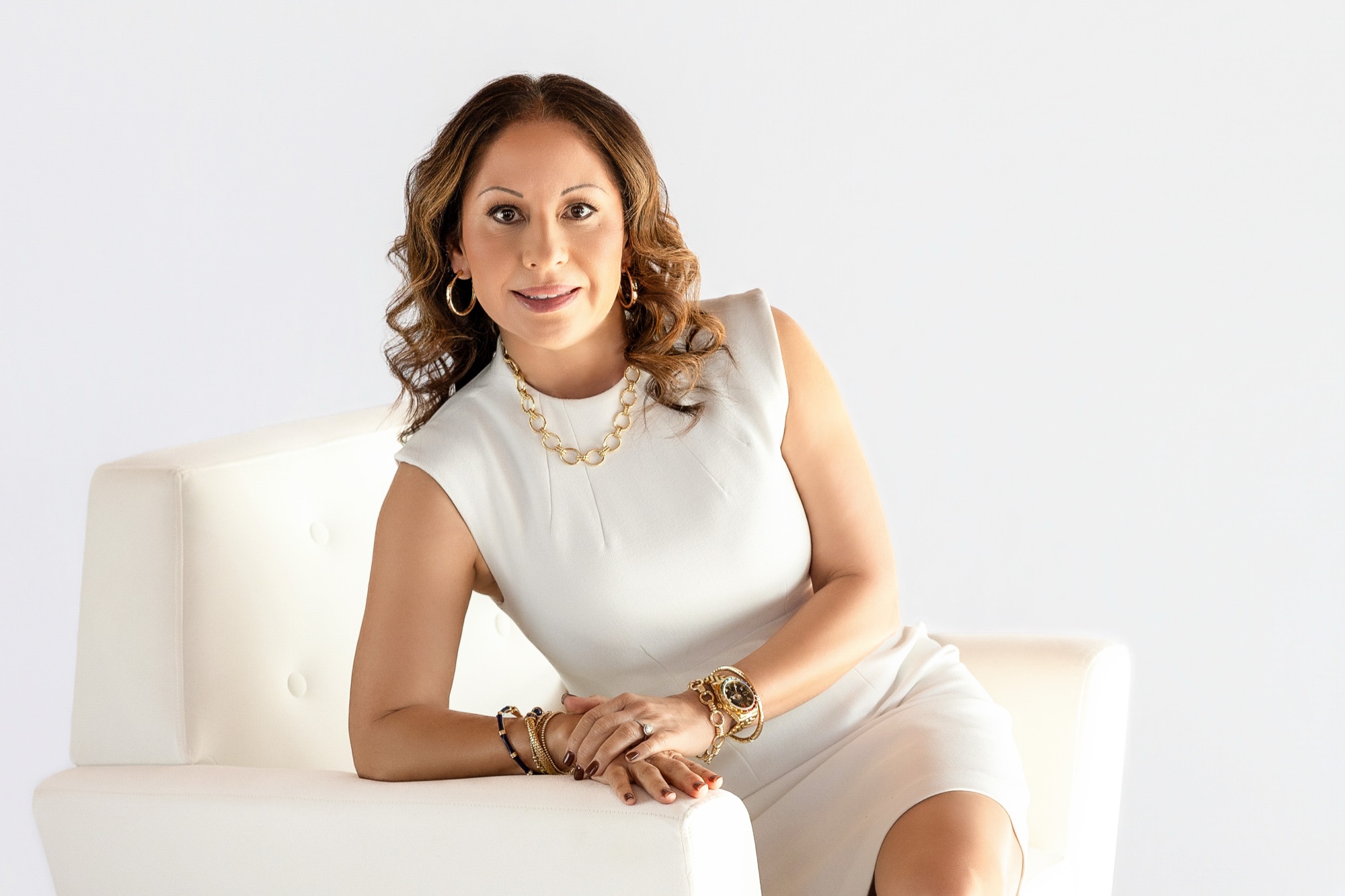

Susan is 67. From the outside, she has done everything right. She raised capable kids, showed up when her parents needed her, built a career that mattered, and kept a household running for four decades. Last spring, after the grandchildren went home and the house was quiet, she let herself ask a few questions she'd been putting off. What if I live much longer than I expect? What if I need care someday, and who will be there? Would my children know what to do?
Susan is a composite, not a client, but I've sat across the table from her many times. Her questions aren't a sign that something is wrong. They're the first step of a plan.
The Rules Were Written for Someone Else
Most retirement planning assumes a straight career, a shorter life, and no seasons spent caring for anyone. Retirement planning for women has to start from a different outline. Women are more likely to live longer, to step out of the workforce for children or aging parents, to earn less over a lifetime and so receive smaller Social Security and pension benefits, and to be widowed.
Like it or not, that's what the data shows. That's the shape of a life. A retirement plan has to fit it, and most of the standard ones don't.
The Numbers Behind It
A woman who reaches 65 can expect about 20.7 more years, against 18.2 for a man. One in three older women lives alone, compared with about one in five older men, and past 75 it's 42% of women. Widows outnumber widowers three to one.
Put plainly: there's a good chance the last stretch of your retirement is one you'll manage on your own, and it may be long. That's the reason the plan has to be built for thirty years, not fifteen.
What a Longer Retirement Asks of a Plan
Three things have to hold together: income, healthcare, and flexibility.
Income designed to last. A thirty-year retirement needs income that keeps pace with rising costs, and a Social Security claiming decision built around your timeline. If you're married, that decision also sets what a survivor benefit would look like, which is worth knowing now rather than later.
Care funded on purpose. Long-term care may mean help at home, an assisted living community, or skilled nursing. The question is how it will be paid for: from savings, a traditional long-term care policy, a hybrid life or annuity policy with a care rider, or family. Each carries real costs, including the ones a caregiving daughter pays in her own career.
Room to adjust. Many of the biggest financial decisions women face arrive during grief or transition. A plan with flexibility built in means those decisions don't have to be rushed.
Where to Start
You don't have to do everything at once. A single step, taken with intention, does more than a perfect plan that never gets started.
- Gather your financial documents in one place.
- Review the beneficiary designations on every account and policy.
- Confirm your estate documents are current, and that someone knows where they are.
- Tell a person you trust what your care preferences are.
- Review your retirement income sources and how long they're projected to last.
Have you taken the same care to prepare for your own future that you've given to everyone else's? If the answer is not yet, that's where we begin. The Life You've Built walks through longevity, long-term care, and legacy in more depth, and a JustHer® Financial Confidence Review is an unhurried, no-pressure conversation about all three.
Jessica Burch, MBA, CFP® · Founder, JustHer®